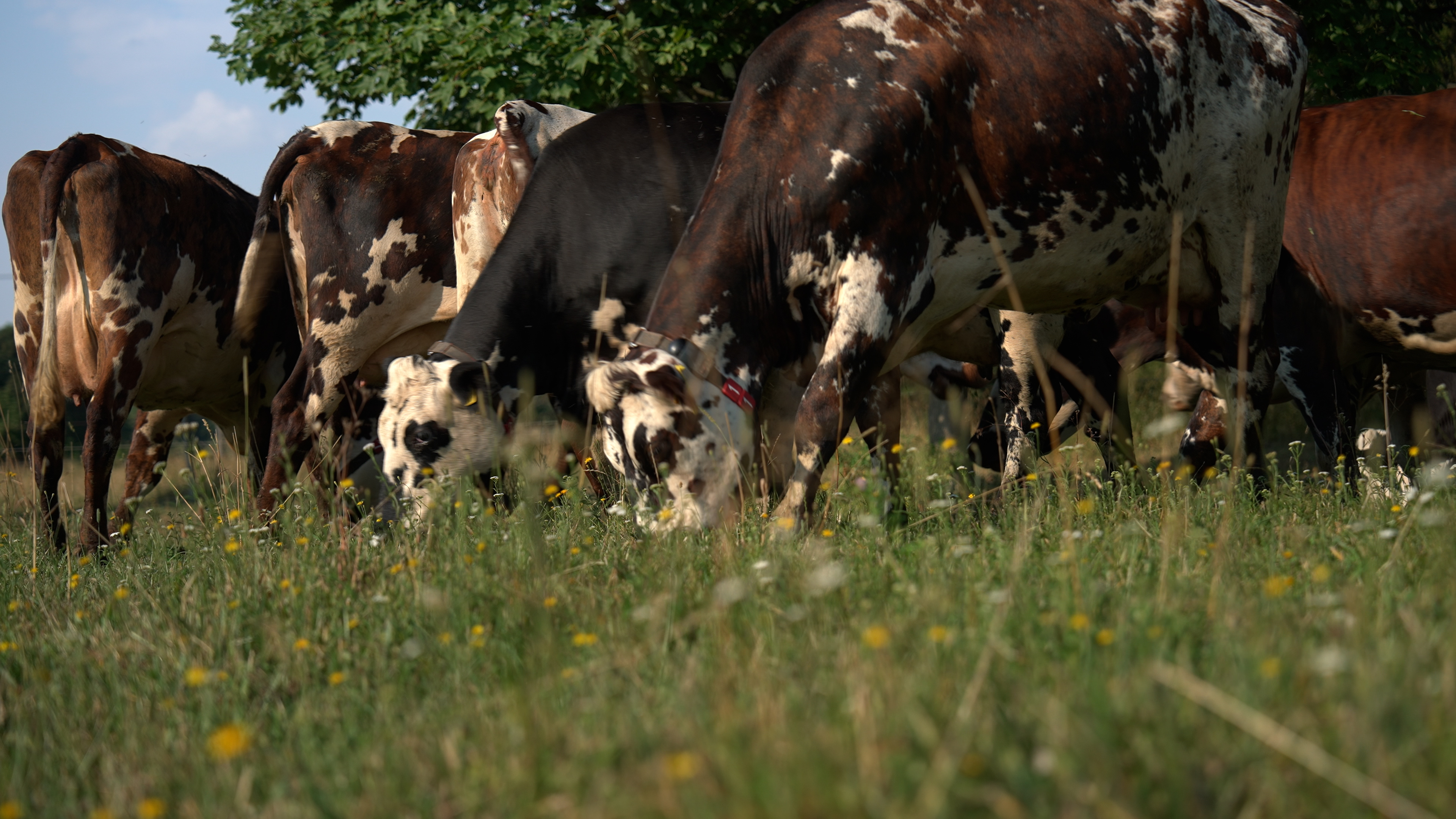
PRO-BIO Association of Organic Farmers (PRO-BIO Svaz ekologických zemědělců) is a TEAM#UP partner, and within the project our focus is on people: on training the next generation of farm advisors who will carry restoration knowledge, needs and practical experience out to farmers across the Czech Republic. 2026 gave that work an unusually sharp sense of urgency.
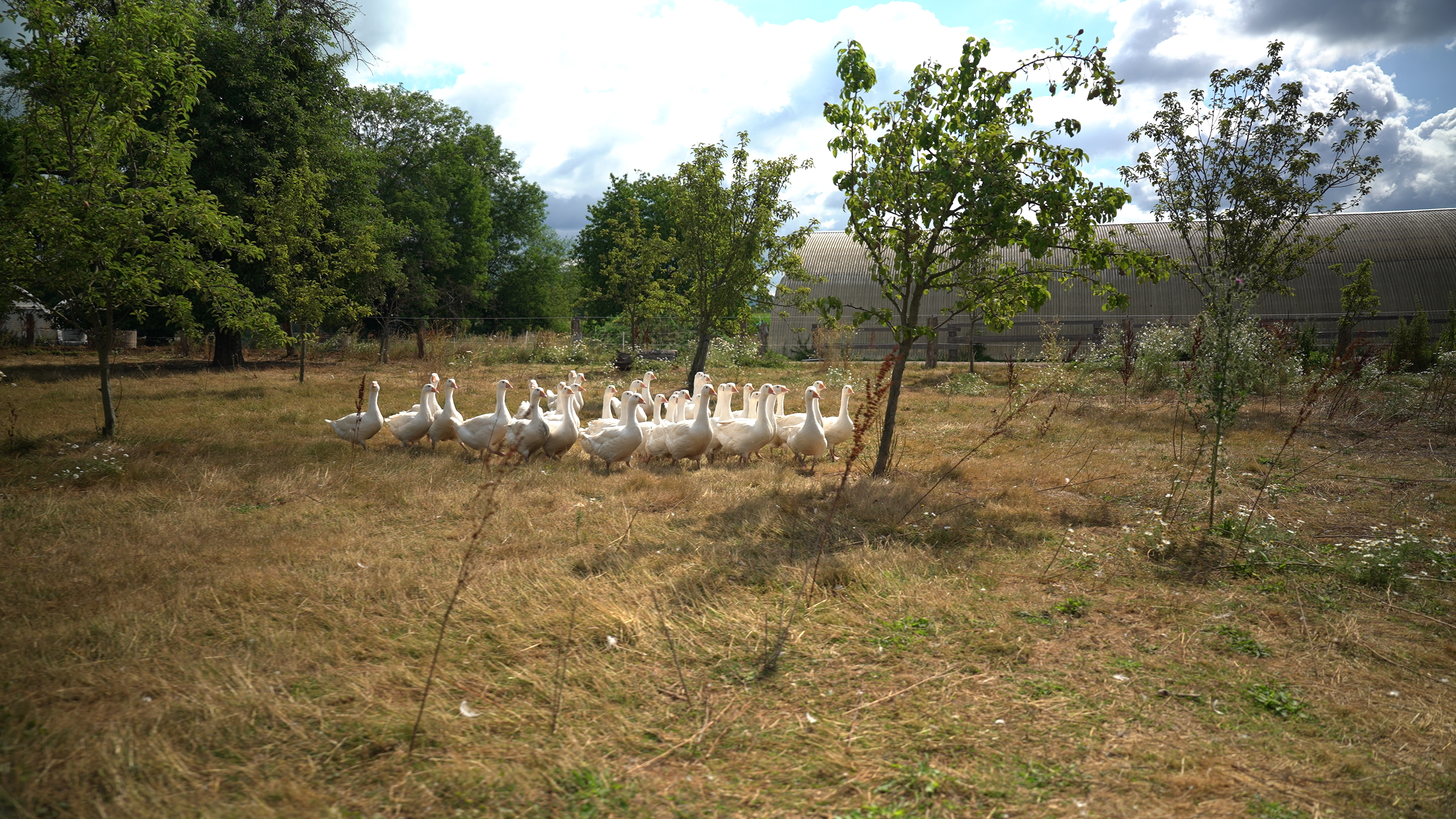
Spring 2026 was one of the warmest on record in Central Europe, and it left Czech soils entering the growing season with a serious water deficit. By mid-summer, parts of South Moravia and the Krušné hory foothills were recording some of the lowest soil-moisture levels seen in the past decade, with relative soil saturation in places approaching the wilting point — the threshold at which crops can no longer draw any water from the ground. For organic farms, which cannot fall back on heavier irrigation and inputs in the way conventional systems sometimes do, resilience has to be built into the landscape itself: soil that holds water, hedgerows and habitat that buffer heat and wind, living root systems in the ground for as much of the year as possible.
This is also where EU policy is now moving. Since August 2024, the EU Nature Restoration Regulation has required member states to bring at least 20% of the EU's land and sea area under restoration measures by 2030, and all ecosystems in need of restoration by 2050 — with agricultural ecosystems, pollinators, rivers and floodplains explicitly among the areas covered. For organic farmers, this is not an abstract obligation happening elsewhere: it overlaps directly with the on-farm practices that also build drought resilience — restoring field margins and small wetlands, supporting pollinators, keeping landscape features that slow water down instead of letting it run off.
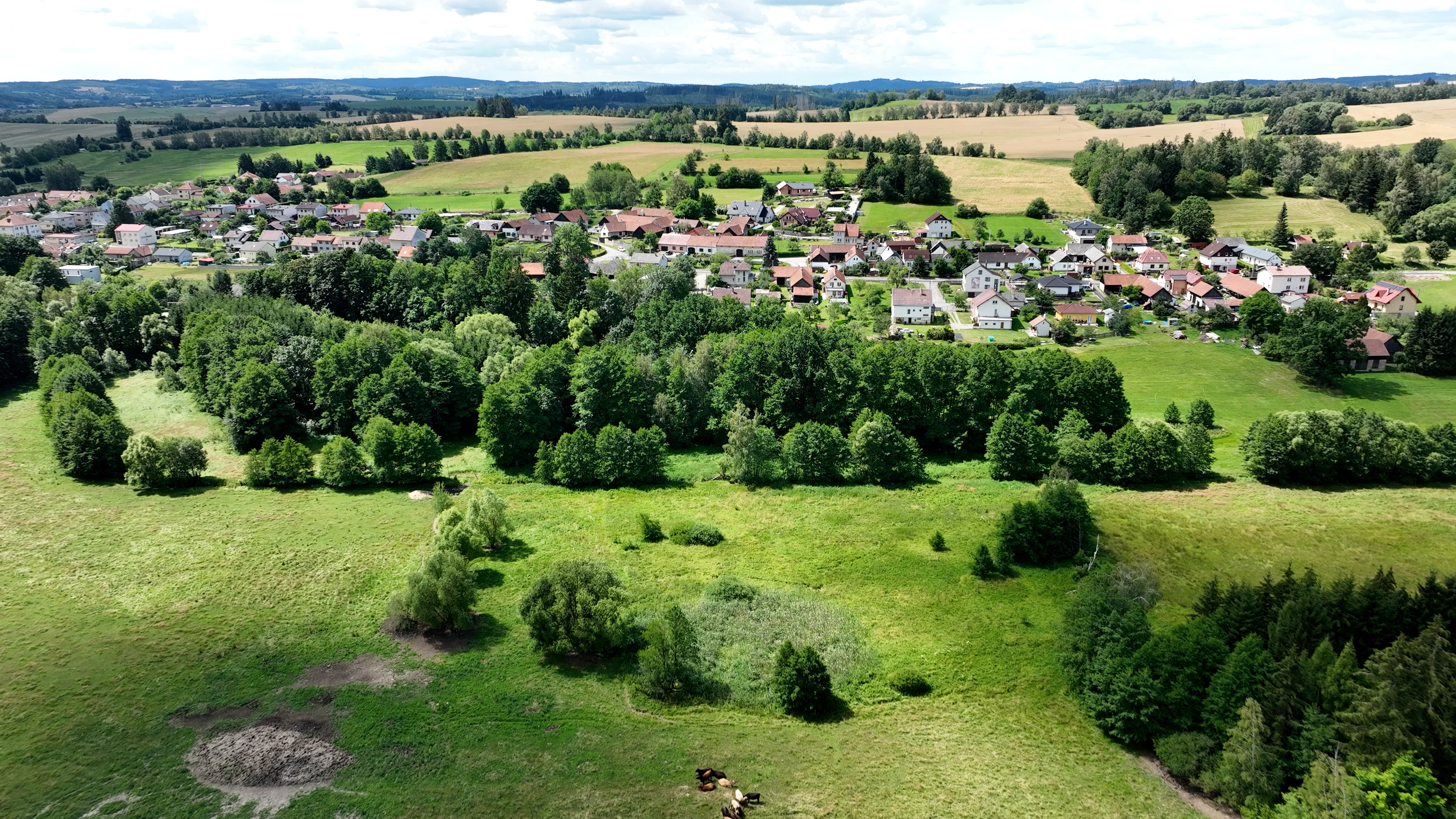
We don't have to argue this in the abstract: several farms within our association have already been recognised as finalists in the Adapterra Awards, the Czech national competition (run by Nadace Partnerství with Integra Consulting) that highlights the country's best climate-adaptation projects in the landscape, in towns and villages, and in buildings — among them Petr Marada's organic farm near Šardice in South Moravia, praised for measures that curb field runoff and erosion, and Habánský dvůr, the Blahušek family's organic farm in the Bzenecká Dúbrava area. This year's 18 finalists include Farma Člupy near Bučovice, recognised for its diverse organic farmland. Farming has featured prominently in the competition since its early years, and this year's edition — reflecting the fact that agricultural land covers roughly 53% of the Czech Republic — added a dedicated agriculture category. That organic farms keep showing up among the finalists is, we think, telling: it suggests organic farming is not just compatible with the goals of the Nature Restoration Regulation, but already offers a working, field-tested model for what restoring agricultural ecosystems can look like in practice.
Turning a regulation like this into something usable on the ground depends on advisors who understand both sides of it: the ecological logic of restoration, and the day-to-day reality of running an organic farm. In practice, these have long been two separate worlds. Landscape restoration is taught and practised as one discipline, with its own experts, courses and vocabulary; farming is taught and practised as another. The education system on either side has rarely, if ever, brought the two groups of specialists into the same room — let alone trained a single advisor to move fluently between them. That is precisely the gap PRO-BIO is working to close through TEAM#UP. Rather than treating restoration as a separate specialism bolted onto agronomy, we are training a younger generation of advisors to carry both together — passing on the practical needs we hear from farmers, the experience built up across our network, and hands-on restoration practice, so that advice on meeting the Nature Restoration Regulation's targets and advice on surviving a season like 2026 become the same conversation.